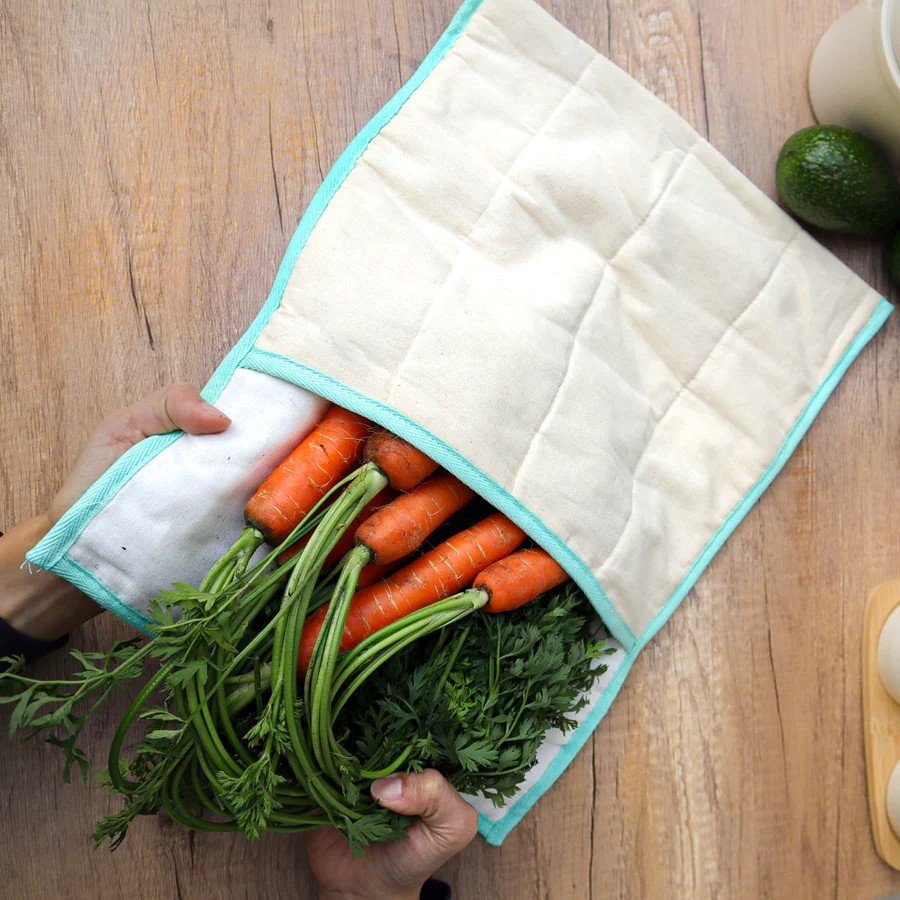
Introduction to Reusable Grocery Tote Bags
Reusable grocery tote bags have become a fundamental part of sustainable living. As environmental concerns grow, individuals are increasingly shifting away from single use plastic bags and adopting eco friendly alternatives that support long term sustainability. These bags are designed for repeated use, durability, and minimal environmental impact, making them a practical solution for everyday shopping needs.
The growing popularity of reusable grocery tote bags reflects a broader movement toward reducing waste and embracing conscious consumption. Their importance lies not only in convenience but also in their ability to significantly reduce environmental damage caused by disposable materials.
The Environmental Impact of Single Use Plastic Bags
Pollution and Waste Generation
Single use plastic bags are a major contributor to global pollution. Billions of plastic bags are used annually, many of which end up in landfills and oceans. These bags can take hundreds of years to decompose, releasing harmful microplastics into the environment. (Eco Bag Supply)
This long decomposition process leads to the accumulation of waste in natural ecosystems, affecting soil quality and water systems. Plastic pollution has become a global environmental crisis, making alternatives like reusable tote bags essential.
Harm to Wildlife and Marine Life
Plastic bags pose a serious threat to wildlife. Many animals mistake them for food or become entangled in them, leading to injury or death. Millions of marine animals are affected each year due to plastic waste in oceans. (ICEGREEN)
By switching to reusable options, individuals can actively contribute to reducing this harmful impact on biodiversity.
What Are Reusable Grocery Tote Bags
Materials Used in Reusable Bags
Reusable grocery tote bags are typically made from materials such as cotton, jute, canvas, or recycled plastics. These materials are chosen for their durability and lower environmental impact compared to traditional plastic bags.
Natural fibers like cotton and jute are biodegradable, while recycled materials help reduce the demand for new raw resources. Many sustainable brands such as Plantish Future promote eco friendly materials that align with zero waste principles.
Durability and Reusability
One of the defining features of reusable tote bags is their ability to withstand repeated use. Unlike single use plastic bags that are often discarded after a few minutes, reusable bags can last for years when properly maintained. (Ecowiser)
Their strength allows them to carry heavier loads, reducing the need for multiple bags and further minimizing waste.
Key Benefits of Reusable Grocery Tote Bags
Reduction in Plastic Waste
Reusable bags significantly cut down on plastic waste. A single reusable bag can replace hundreds or even thousands of plastic bags over its lifetime. (ICEGREEN)
This reduction plays a crucial role in decreasing landfill overflow and ocean pollution.
Lower Carbon Footprint
Although reusable bags may require more resources during production, their long lifespan offsets this impact. When used consistently, they generate fewer greenhouse gas emissions compared to single use plastic bags. (Eco Bag Supply)
This makes them an effective tool in combating climate change.
Conservation of Natural Resources
Plastic bags are made from non renewable resources such as petroleum. By reducing the demand for plastic, reusable bags help conserve these valuable resources. (WWBags)
Additionally, many reusable bags are made from renewable or recycled materials, further enhancing their sustainability.
Cost Effectiveness Over Time
While reusable bags may have a higher upfront cost, they are more economical in the long run. Their durability eliminates the need for constant replacements, saving money over time.
Versatility and Convenience
Reusable tote bags are not limited to grocery shopping. They can be used for carrying books, clothes, or everyday essentials. Their foldable designs and lightweight nature make them easy to store and transport.
Role in Promoting a Zero Waste Lifestyle
Encouraging Sustainable Habits
Using reusable grocery tote bags encourages mindful consumption and reduces reliance on disposable products. This small change can lead to broader sustainable habits in daily life.
Supporting Eco Friendly Brands
Many companies now focus on producing environmentally responsible products. By choosing reusable bags, consumers support brands that prioritize sustainability and ethical practices.
Reducing Packaging Waste
Reusable bags also help minimize the need for additional packaging. When paired with solutions like mesh produce bags, shoppers can significantly cut down on plastic packaging used for fruits and vegetables.
Comparing Reusable Bags and Single Use Bags
Lifespan and Usage
Single use plastic bags are typically used for a very short time before being discarded. In contrast, reusable bags are designed for long term use and can last for years.
Environmental Footprint
Plastic bags have a high environmental cost due to their production, usage, and disposal. Reusable bags, when used consistently, have a much lower overall impact.
Strength and Efficiency
Reusable bags are stronger and more reliable, capable of carrying heavier items without tearing. This efficiency reduces the need for multiple bags during shopping trips.
Common Misconceptions About Reusable Tote Bags
Higher Production Impact
It is true that some reusable bags require more resources to produce. However, this impact is balanced out when the bags are reused multiple times. Studies suggest that consistent use is key to achieving environmental benefits. (Eco Promotions)
Maintenance Requirements
Reusable bags need regular cleaning to maintain hygiene. This is a simple step that ensures they remain safe and effective for long term use.
Not All Bags Are Equal
The sustainability of a reusable bag depends on its material and usage frequency. Choosing high quality, durable options ensures maximum environmental benefit.
How to Maximize the Benefits of Reusable Tote Bags
Use Them Consistently
The effectiveness of reusable bags depends on how often they are used. Regular use ensures that their environmental benefits outweigh their production impact.
Choose Sustainable Materials
Opting for bags made from organic cotton, jute, or recycled materials enhances sustainability. These materials are less harmful to the environment and often biodegradable.
Maintain and Clean Regularly
Proper care extends the lifespan of reusable bags. Washing them regularly prevents contamination and keeps them in good condition.
Avoid Over Accumulation
Owning a limited number of high quality reusable bags is more sustainable than collecting many low quality ones. This approach reduces unnecessary consumption.
The Future of Sustainable Shopping
Growing Awareness
Environmental awareness continues to rise, encouraging more people to adopt reusable solutions. Governments and organizations are also implementing policies to reduce plastic usage.
Innovation in Eco Friendly Materials
Advancements in materials are making reusable bags even more sustainable. Innovations include biodegradable fabrics and improved recycling processes.
Integration with Sustainable Living
Reusable grocery tote bags are becoming a standard part of eco conscious lifestyles. They represent a shift toward more responsible consumption and environmental stewardship.
Conclusion
Reusable grocery tote bags are more than just a shopping accessory. They are a powerful tool for reducing plastic waste, conserving resources, and promoting sustainable living. By replacing single use plastic bags with durable and eco friendly alternatives, individuals can make a meaningful impact on the environment.
Their benefits extend beyond convenience, contributing to a cleaner planet and healthier ecosystems. When used consistently and responsibly, reusable tote bags support a long term shift toward sustainability and conscious consumption.