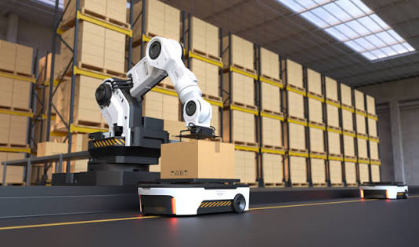
Automation and robotics are really shaking things up in the cargo world. It’s like, suddenly, everything’s moving faster, smoother, and with way fewer hiccups. Can you imagine a time when people were manually loading and unloading those huge containers? Seems almost medieval now. Robots are taking over these tough, repetitive tasks, and honestly, it’s about time.
These mechanical marvels don’t just lift heavy stuff—they’re designed to handle cargo screen with precision and care. No more worries about fragile items getting crushed or lost in the shuffle. The cool part is how these robots can work non-stop, night or day, without needing a coffee break. Efficiency is going through the roof!
But it’s not just about lifting and moving. Robotics in cargo handling means smarter organization too. Automated systems can sort and stack cargo in ways that maximize space and minimize waste. It’s like playing Tetris but on a massive scale, ensuring every inch of space is used effectively. This kind of optimization is saving companies big bucks and reducing their carbon footprint. Win-win, right?
Keeping an eye on safety
Safety has always been a top priority, but now it’s getting a high-tech upgrade. Real-time hazard detection systems are becoming the norm. Think about it: advanced sensors everywhere, constantly scanning for potential dangers. It’s like having a team of vigilant guards who never blink.
These systems can detect everything from temperature fluctuations to hazardous gases. If there’s a spike in heat or a whiff of something dangerous, alarms go off immediately. For example, a rad detector can be crucial in identifying dangerous levels of radiation, ensuring quicker responses. This kind of instant response can prevent accidents before they even happen. Remember the old days when safety checks were all manual? This is a whole new ball game.
And it’s not just about preventing accidents—these systems also help in managing incidents more effectively when they do occur. Quick identification means quicker responses, which could be the difference between a minor hiccup and a major disaster. It’s reassuring to know that technology has our back when it comes to safety.
Innovations in tracking and delivery
Tracking packages used to be a nightmare. Waiting for days with no idea where your stuff was? Ugh, those were dark times. But now, tracking technology has made leaps and bounds. Every package has a digital footprint that you can follow in real-time. It’s almost like stalking your own stuff—but in a good way.
Advanced GPS systems and RFID tags are making it possible to know exactly where any item is at any given moment. This isn’t just great for customers; it’s also a huge help for businesses managing large inventories. Misplaced packages are becoming a thing of the past.
Delivery innovations don’t stop there. Drones are entering the scene, promising faster deliveries even to the most remote areas. Can you imagine looking up and seeing your parcel descending from the sky? It sounds futuristic, but it’s happening now. These flying couriers are set to revolutionize last-mile delivery, making it quicker and more efficient than ever.
See also: The Real Scorecard for Anti-Aging Peptides (And Why the Cheapest Vial Is the Wrong Place to Start)
Reducing risks with advanced tech
Risk management is crucial in cargo handling, and advanced technology is stepping up to reduce those risks significantly. Predictive analytics is one such innovation that’s making waves. By analyzing vast amounts of data, these systems can predict potential issues before they arise. It’s like having a crystal ball but way more scientific.
This kind of foresight allows companies to take preventive measures rather than just reacting to problems as they occur. For instance, if the system predicts equipment failure based on usage patterns, maintenance can be scheduled before any breakdown happens. It’s all about being proactive instead of reactive.
Moreover, smart contracts powered by blockchain technology are enhancing transparency and security in transactions. Every step of the cargo’s journey is recorded immutably on the blockchain, ensuring that nothing gets tampered with along the way. Trust is built into the system itself, reducing the chances of fraud or discrepancies.