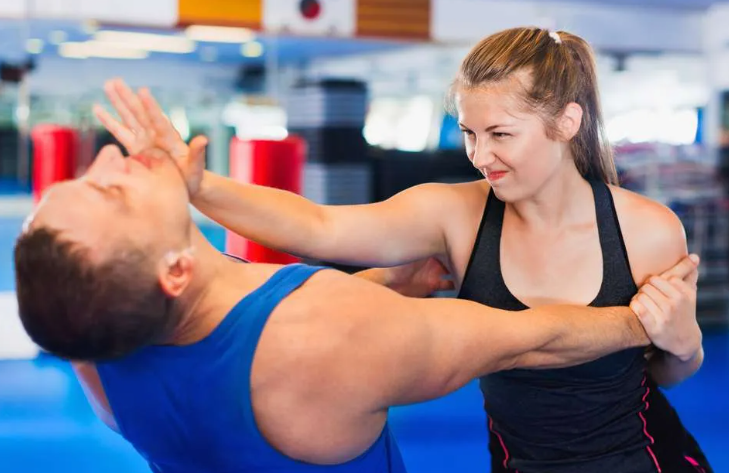
Teenagers face many situations where confidence, awareness, and good decision-making can make a meaningful difference. From walking home after school to navigating crowded public places or dealing with uncomfortable social situations, teens benefit from knowing how to recognize potential risks and respond calmly.
This is where self defense for Teens can provide valuable skills. A well-structured program is not simply about learning how to fight. It teaches young people how to stay alert, establish boundaries, communicate clearly, avoid unnecessary conflict, and make safer choices when something feels wrong.
Confidence Starts With Feeling Prepared
Confidence does not mean believing that nothing bad can happen. Instead, healthy confidence comes from knowing how to respond when faced with an unfamiliar or challenging situation.
Self-defense training gives teens opportunities to practice skills in a controlled environment. As they become more comfortable with movements, safety drills, and communication techniques, they can develop a greater sense of capability.
Regular progress can also teach teens that improvement comes from patience and practice. Learning a new technique may be difficult at first, but repetition helps students become more comfortable.
This can reinforce valuable lessons such as:
- Mistakes are part of learning.
- Difficult skills can become easier with practice.
- Progress takes consistency.
- Staying calm can improve decision-making.
- Asking for help is a strength, not a weakness.
These lessons can extend beyond the training environment and support confidence at school, in sports, and in everyday interactions.
Situational Awareness Is a Core Self-Defense Skill
One of the most important parts of self defense for Teens is recognizing a potentially unsafe situation before it becomes an emergency.
Situational awareness means paying attention to what is happening nearby instead of becoming completely distracted. Teens can learn to notice their surroundings, identify unusual behavior, recognize exits, and understand when it may be appropriate to move away from a situation.
For example, a teenager walking through an unfamiliar area may benefit from:
- Keeping attention on the surrounding environment
- Knowing where safe and populated areas are
- Limiting distractions when personal safety requires attention
- Noticing changes in nearby behavior
- Trusting reasonable warning signs
- Knowing how and when to seek assistance
The goal is not to make teens fearful or suspicious of everyone. Good awareness is about staying present and making thoughtful choices.
Learning to Recognize Warning Signs
Many uncomfortable situations begin with small warning signs rather than immediately becoming dangerous. Training can help teens understand that they do not have to wait until something becomes serious before taking action.
A teen might notice that someone is repeatedly following them, invading their personal space, becoming increasingly aggressive, or attempting to pressure them into doing something they do not want to do.
Instead of ignoring those feelings because they do not want to appear rude, teens can learn to pause and consider their options.
A simple approach is:
- Notice what is happening.
- Create distance when possible.
- Move toward a safer environment.
- Communicate a clear boundary.
- Contact a trusted adult or emergency service when appropriate.
These decisions can be practiced through age-appropriate scenarios without creating unnecessary fear.
Self-Defense Teaches More Than Physical Techniques
A common misunderstanding is that self-defense training is mainly about punches, kicks, or physical confrontation. In reality, effective personal safety education should include much more.
A quality teen program can cover:
- Awareness and prevention
- Verbal communication
- Boundary setting
- De-escalation
- Escape and movement
- Basic defensive techniques
- Emergency decision-making
- Confidence and emotional control
Physical techniques should be presented as part of a broader safety strategy. Teens should understand that avoiding confrontation and getting to a safe location are often preferable to trying to physically overcome another person.
Practicing Calm Responses Under Pressure
It can be difficult to think clearly when someone feels frightened or overwhelmed. This is one reason controlled practice can be useful.
During training, instructors can create simple scenarios where students practice making decisions while remaining calm. They may learn to use their voice, move away, identify an exit, or ask for assistance.
Repeated practice can make these responses more familiar.
The objective is not to teach teens to look for danger. Instead, it is to help them develop practical habits so that they have more options when faced with an unexpected situation.
How Training Can Improve Discipline and Focus
Self-defense classes generally require students to listen carefully, remember instructions, repeat movements, and work with training partners. This creates opportunities to develop focus and discipline.
Teenagers also learn that progress does not usually happen immediately. A technique may require several attempts before it feels natural.
That process can encourage:
- Patience
- Concentration
- Consistency
- Respect for instructors and classmates
- Goal setting
- Personal responsibility
Research on martial arts training among adolescents has also explored potential effects on cognitive skills such as attention, processing speed, and executive functioning, although results vary by study and population.
Building Stronger Boundaries
Confidence and awareness are closely connected to understanding personal boundaries.
Teens should know that they can say no when someone makes them uncomfortable. They can move away from unwanted interactions and seek help without feeling embarrassed.
Self-defense training can provide opportunities to practice simple, assertive communication.
For example, a teen may practice saying:
- “Stop.”
- “Please move back.”
- “I don’t feel comfortable.”
- “I need help.”
- “Leave me alone.”
The purpose is not to encourage aggression. It is to help young people communicate boundaries clearly and confidently.
Why a Supportive Training Environment Matters
The quality of the training environment can make a major difference. Teenagers learn best when instructors provide clear expectations while maintaining a respectful and supportive atmosphere.
Parents can look for programs that offer:
- Age-appropriate instruction
- Qualified and experienced instructors
- Safe training practices
- Clear rules and supervision
- Positive communication
- Controlled partner exercises
- A focus on prevention and responsibility
A program should never encourage teens to prove themselves by unnecessarily fighting or taking dangerous risks.
Self-Defense Can Encourage Independence
As teenagers become more independent, they often spend more time away from parents and family members. They may travel to school, attend activities, meet friends, or participate in events without direct adult supervision.
This makes practical safety awareness increasingly important.
Training can help teens think about questions such as:
- Where are the safe places around me?
- Who can I contact if I need help?
- What should I do if someone makes me uncomfortable?
- Where are the exits in an unfamiliar location?
- When should I leave a situation?
- Which trusted adults can I turn to?
Learning these concepts can help teens become more responsible without making them feel afraid of everyday life.
How Parents Can Support Self-Defense Training
Parents play an important role in reinforcing what teens learn during classes.
Instead of only asking about physical techniques, parents can discuss awareness and decision-making. Conversations can focus on realistic everyday situations and encourage teens to think through different choices.
Parents can also:
- Encourage regular attendance.
- Praise effort rather than only results.
- Talk about personal boundaries.
- Practice emergency communication.
- Encourage teens to trust reasonable instincts.
- Remind them that seeking help is appropriate.
- Choose training that matches their age and experience.
The goal should be preparation rather than fear.
Confidence That Goes Beyond the Training Room
One of the most valuable aspects of self-defense education is that its lessons can apply to everyday life.
A teenager who becomes comfortable speaking clearly may find it easier to communicate at school. A student who learns to stay focused during challenging drills may become more comfortable handling pressure. Someone who works consistently toward training goals may develop stronger habits in other areas.
Self-defense does not guarantee that a teen will always be safe. Instead, it can provide knowledge and practice that support better awareness and decision-making.
Choosing the Right Program for Your Teen
Not every self-defense class is the same. Parents should consider whether the program focuses on age-appropriate education rather than simply teaching physical confrontation.
Before enrolling, it can be helpful to observe a class and speak with the instructor. Ask about the curriculum, safety procedures, student supervision, and how physical exercises are introduced.
A good program should make teens feel challenged but supported. Students should understand that self-defense is about responsibility, awareness, and personal safety—not about proving who is stronger.
Conclusion
Self-defense training can give teenagers much more than physical skills. Through regular practice, self defense for Teens can help young people develop confidence, awareness, discipline, communication skills, and better decision-making habits.
The most important lesson is that personal safety often begins before physical confrontation. Recognizing warning signs, setting boundaries, avoiding unnecessary conflict, creating distance, and knowing when to seek help are essential parts of being prepared.
With supportive instruction and consistent practice, teens can develop practical skills that help them feel more capable and aware as they become increasingly independent.