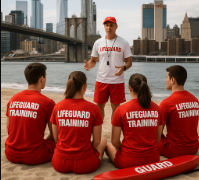
The idea of lifeguard training may seem out of season as the temperature falls and summer feels like a far-off memory. But what if this pervasive misunderstanding is causing would-be lifeguards to overlook the most advantageous window of opportunity? The off-season offers a singular and frequently better route to create a remarkable set of life-saving skills.
For those wondering how to get lifeguard certification that is actually exceptional, concentrating on the winter months might be the wisest professional choice you make. This is about getting the best lifeguard training available, free from the crowds and tensions of peak season, not about locating any training.
Why Does Off-Season Training Foster Deeper Mastery?
The learning environment changes as fewer people frequent beaches and pools. Winter courses are by definition more concentrated, with smaller class numbers ensuring personal attention. Think about having much more time to hone your rescue skills, ask thorough questions, and get real-time input from your teacher. This is not a hasty, check-the-box activity. This is a thorough investigation of the art and science of lifeguarding, in which skills are developed through muscle memory.
The calm power of winter enables a degree of repetition and concentration sometimes unachievable in a hectic summer class. A superb lifeguard separates himself from a capable one by means of this fundamental strength.
How Does Early Certification Create a Competitive Edge?
Timing is everything in the lifeguarding profession. Securing your winter certification puts you at the front of the line for top summer jobs. Early spring marks the start of the hiring procedures for employers at city swimming pools, beach towns, and water parks. Coming into an interview already validates great initiative and preparedness. You are not only another candidate looking for training; you are a job-ready professional beginning right away. This forward-looking strategy positions you in the coveted position of a sought-after candidate, thereby avoiding the frenetic spring rush for certification courses.
Can Training in Colder Months Build Greater Mental Resilience?
Lifeguarding is as much a mental activity as it is physical. Only winter training builds the mental fortitude necessary for the vocation. Only by committing oneself to off-season practice builds discipline and commitment. Additionally difficult components of cold-water readiness and emergency response in several conditions challenge you to adapt and problem-solve under less-than-ideal conditions.
Developing a solid cognitive structure helps one to manage stress, maintain attention throughout extended, silent periods, and react clearly in a crisis. One non-material asset cultivated in a winter course that continues with you throughout your career is resilience.
What Are the Unmatched Benefits of Choosing the Right Provider?
Not every certification program is made equal. Your provider decision affects the depth of your training, the validity of your credential, and the standard of your teaching. For individuals looking for a gold standard, the American Lifeguard Association (ALA) is a preeminent leader. Built on a curriculum reflecting the most recent safety standards and rescue methods, Lifeguard certification by ALAis respected across the country. Their teachers are experienced professionals who bring experience to every class, not only academics. Choosing a provider of this kind guarantees your training is thorough, respected by companies, and geared toward developing genuinely competent lifeguards.
Ready to start your voyage with the best? Through the American Lifeguard Association, you may register here for upcoming lifeguard certification courses.
Does Winter Training Offer More Than Just a Certification?
Certainly. Beyond the credential, winter training is an investment in ongoing personal and professional growth. The reduced speed enables investigation of sophisticated modules in waterfront management, oxygen delivery, or advanced first aid. This is also the ideal moment for existing lifeguards to seek recertification without the weight of an approaching season, therefore guaranteeing their abilities stay honed. This season of focus lets you create not only a résumé but also a strong professional identity based on preparation, responsibility, and leadership—attributes that travel well past the pool deck.
How Does This Choice Impact Year-Round Community Safety?
The demand for attentive, qualified lifeguards does not disappear at the close of summer. Indoor aquatic venues, hotel pools, and year-round fitness centers all call for qualified safety personnel. Becoming certified in the winter joins you with the basic infrastructure that year-round shields swimmers. This devotion emphasizes the true objective of lifeguarding: a year-round, dedicated commitment to community safety. Training now turns you from just seasonal employee to guardian, hence fostering a daily culture of prevention and readiness throughout the year.
Read more about their services and their broad spectrum of certifications and specialized training on the official website of the American Lifeguard Association. Their commitment to excellence presents a simple road from novice to exceptionally accomplished professional.
Finally, defining winter as the off-season for lifeguard training is a major misnomer. That is really the strategic season. This is the moment for concentrated study, for developing the unflinching mental and physical basis needed for this essential career, and for getting a competitive edge in the job market.
Choosing to seek your certification now with a premium provider like the American Lifeguard Association is not only getting you a certificate; you’re also starting on a carefully chosen route to mastery. You are deciding to become the calm, competent, and assured first responder that communities depend on. Thus, the issue is not whether you ought to hold off for summer. The actual issue is: When the ideal time to get ready, to flourish, and to lead is right now, why would you hesitate?