Industrial sectors across the UK and Canada are under increasing pressure to improve productivity, reduce operational costs, and meet stringent safety and environmental regulations. One of the most effective ways to achieve these goals is through advanced bulk material handling engineering. By integrating modern conveyors, storage systems, feeders, and automation technologies, industries can significantly enhance efficiency while maintaining consistent material flow.
Understanding Bulk Material Handling Engineering:
Bulk material handling engineering focuses on the design, development, and optimization of systems that move, store, and control bulk materials such as coal, minerals, grain, cement, and aggregates. These systems are essential in industries like mining, agriculture, manufacturing, ports, and energy production.
In both the UK and Canada, where industries operate in diverse environments—from urban manufacturing hubs to remote mining sites—efficient material handling is critical. Poorly designed systems can lead to bottlenecks, material loss, safety hazards, and increased downtime.
The Role of Conveyors in Industrial Efficiency:
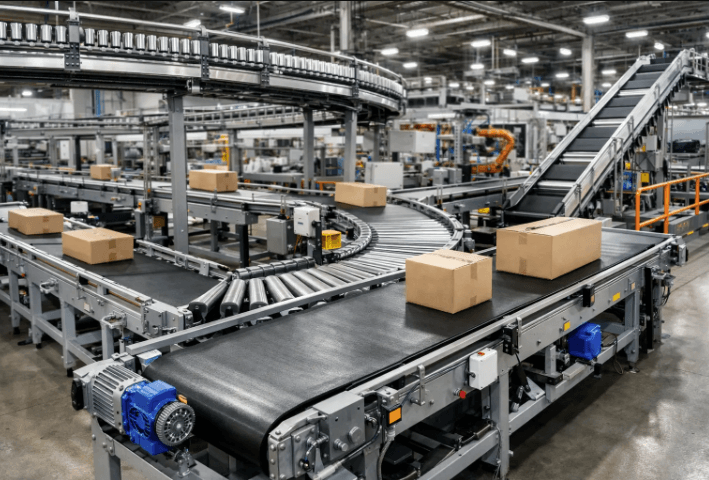
Conveyor systems are the backbone of bulk material handling operations. They ensure smooth, continuous movement of materials across different stages of production and processing.
Types of Conveyors Commonly Used:
- Belt conveyors for long-distance material transport
- Screw conveyors for controlled material flow
- Chain conveyors for heavy-duty applications
- Pneumatic conveyors for fine and lightweight materials
Modern conveyor systems in the UK and Canada are designed with energy efficiency and durability in mind. Features such as variable speed drives, automated controls, and real-time monitoring help industries reduce energy consumption and improve throughput.
Storage Systems: Ensuring Reliable Material Management:
Efficient storage is just as important as transportation. Bulk storage systems like silos, hoppers, and bins are designed to safely store materials while maintaining their quality and flow characteristics.
Key Benefits of Advanced Storage Solutions:
- Prevent material contamination and degradation
- Improve inventory management and tracking
- Ensure consistent material discharge
- Reduce waste and operational losses
In regions with varying climates like Canada and the UK, storage systems must also account for moisture, temperature fluctuations, and environmental factors that can impact material integrity.
Automation Systems: Driving Smart Industrial Operations:
Automation is transforming bulk material handling engineering by introducing intelligent systems that reduce manual intervention and improve operational accuracy.
Advantages of Automation in Material Handling:
- Real-time monitoring and predictive maintenance
- Reduced human error and improved safety
- Optimized material flow and system performance
- Lower labor costs and increased productivity
Industries in the UK and Canada are increasingly adopting automation technologies such as PLC systems, IoT sensors, and AI-driven analytics to streamline operations and remain competitive in global markets.
See also: Seniors Equity Loan: How to Access Your Home’s Value After Retirement
Industry Applications in UK and Canada:
Bulk material handling systems are widely used across various industries in both countries:
Mining and Quarrying Canada’s mining sector and the UK’s quarrying industry rely heavily on efficient conveyors and storage systems to transport and process raw materials.
Agriculture and Food Processing:
Grain handling, storage, and processing require precise engineering to prevent spoilage and ensure consistent quality.
Manufacturing and Construction:
Cement, aggregates, and other construction materials depend on reliable handling systems to maintain production timelines.
Ports and Logistics:
Bulk material handling plays a vital role in loading and unloading cargo efficiently, particularly in major ports across the UK and Canada.
Enhancing Safety and Compliance:
Safety is a top priority in industrial operations. Modern bulk material handling systems are designed to comply with strict safety standards in both the UK and Canada.
Safety Features Include:
- Dust suppression systems to improve air quality
- Emergency stop mechanisms
- Enclosed conveyors to prevent material spillage
- Fire and explosion protection systems
By implementing these features, companies can reduce workplace accidents and ensure compliance with regulatory requirements.
Sustainability and Environmental Impact:
Sustainability is becoming increasingly important in industrial operations. Bulk material handling engineering contributes to environmental goals by improving energy efficiency and reducing waste.
Sustainable Practices:
- Energy-efficient conveyor systems
- Reduced material spillage and dust emissions
- Recycling and reuse of materials
- Integration of renewable energy sources
Both the UK and Canada are активно promoting green industrial practices, making sustainable material handling solutions a key investment area.
Choosing the Right Engineering Partner:
Selecting the right bulk material handling engineering partner is crucial for achieving long-term efficiency. Companies should look for providers with:
- Proven experience in UK and Canadian industries
- Custom design capabilities
- Strong focus on safety and compliance
- Advanced automation and technology integration
- Reliable maintenance and support services
A well-designed system tailored to specific operational needs can significantly improve performance and return on investment.
Conclusion:
Bulk material handling engineering is a vital component of industrial efficiency in the UK and Canada. By leveraging advanced conveyors, storage systems, and automation technologies, businesses can optimize material flow, reduce costs, and enhance safety.
As industries continue to evolve, investing in modern material handling solutions will not only improve operational performance but also ensure long-term sustainability and competitiveness in the global market.