Understanding the Importance of Humidity Control in Industrial Environments
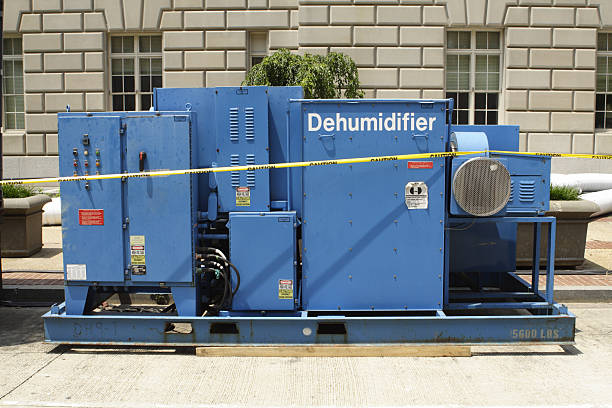
Humidity control is a critical factor in maintaining operational efficiency and environmental stability in large industrial facilities. Excess moisture in the air can create serious challenges, including equipment damage, product deterioration, and compromised working conditions. This is why investing in an advanced industrial dehumidifier has become essential for modern industries seeking reliable and consistent performance.
Industrial environments often involve processes that are highly sensitive to atmospheric conditions. Even slight variations in humidity can disrupt production cycles and affect output quality. By maintaining controlled humidity levels, businesses can ensure smoother operations and reduce the risks associated with moisture-related issues.
An industrial dehumidifier is specifically designed to handle large spaces and continuous operation. These systems provide precise humidity control, enabling industries to maintain optimal conditions regardless of external weather fluctuations. This level of control is vital for ensuring long-term efficiency and sustainability.
What Problems Are Caused by Excess Humidity in Industrial Facilities
Equipment Degradation and Maintenance Challenges
High humidity levels can accelerate the deterioration of machinery and infrastructure. Moisture accumulation leads to corrosion, rust, and wear in metal components, which reduces equipment lifespan and increases maintenance requirements. Over time, this can result in significant operational costs and frequent downtime.
Electrical systems are particularly vulnerable to humidity. Condensation can interfere with circuits and connections, leading to malfunctions or complete system failures. Maintaining a controlled environment helps prevent such issues and ensures the reliability of critical equipment.
Impact on Product Quality and Production
In many industries, product quality is directly influenced by environmental conditions. Excess moisture can alter the properties of raw materials and finished goods, leading to inconsistencies and defects. This is especially important in sectors such as pharmaceuticals, food processing, and electronics manufacturing.
Uncontrolled humidity can also disrupt production processes by affecting drying times, chemical reactions, and material handling. This results in reduced efficiency and increased waste, making humidity control a key component of quality assurance.
How Industrial Dehumidification Systems Work
Desiccant-Based Technology for Reliable Performance
Industrial dehumidification systems commonly use desiccant technology to remove moisture from the air. This process involves a moisture-absorbing material that captures water vapor effectively, even in low-temperature environments where traditional systems may struggle.
The system operates by passing air through a rotating desiccant wheel, where moisture is absorbed. The wheel is then regenerated using heat, releasing the captured moisture and preparing the system for continuous operation. This ensures consistent performance and precise humidity control.
By implementing advanced industrial dehumidification solutions, industries can achieve reliable moisture management across a wide range of applications.
Continuous Operation and High Capacity
Industrial dehumidifiers are built for continuous use in demanding environments. They are capable of handling large volumes of air while maintaining stable humidity levels. This makes them suitable for facilities that require uninterrupted operation.
High-capacity systems ensure that even large spaces remain properly controlled. This is essential for maintaining uniform conditions throughout the facility and preventing localized humidity issues.
Benefits of Using an Industrial Dehumidifier
Improved Air Quality and Workplace Conditions
Maintaining optimal humidity levels significantly enhances indoor air quality. Excess moisture can promote the growth of mold, bacteria, and allergens, which can negatively impact both equipment and personnel. Dehumidifiers help create a cleaner and safer environment by reducing these risks.
Improved air quality contributes to better working conditions, supporting productivity and overall operational efficiency. A stable environment also ensures compliance with safety and hygiene standards in regulated industries.
Enhanced Operational Efficiency
Humidity control plays a direct role in improving operational efficiency. When environmental conditions are stable, equipment performs more effectively and requires less maintenance. This reduces downtime and ensures consistent production output.
Controlled humidity also improves process accuracy. Materials behave more predictably, reducing errors and improving the quality of finished products. This level of precision is essential for industries that rely on consistent results.
Cost Savings and Energy Efficiency
Although the initial investment in an industrial dehumidifier may be significant, it leads to long-term cost savings. Preventing moisture-related damage reduces the need for repairs and replacements, while improved efficiency lowers operational costs.
Modern systems are designed with energy efficiency in mind. They deliver high performance while minimizing power consumption, making them a sustainable choice for businesses looking to optimize their operations.
Applications of Industrial Dehumidifiers Across Sectors
Manufacturing and Processing Industries
Manufacturing facilities require precise environmental control to maintain production quality. Dehumidifiers help prevent corrosion, protect raw materials, and ensure consistent processing conditions.
Industries such as automotive, textiles, and chemicals benefit from controlled humidity, as it supports efficient operations and reduces material waste.
Warehousing and Logistics
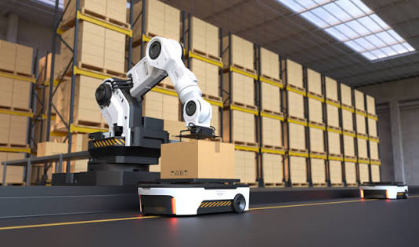
Warehouses often store goods that are sensitive to moisture. High humidity can damage packaging, promote mold growth, and reduce product shelf life. Dehumidifiers help maintain stable storage conditions, ensuring that goods remain in optimal condition.
This is particularly important for industries dealing with electronics, pharmaceuticals, and food products, where even minor moisture exposure can lead to significant losses.
Healthcare and Cleanroom Environments
Healthcare facilities and cleanrooms require strict humidity control to maintain hygiene and prevent contamination. Dehumidifiers play a vital role in ensuring that these environments remain safe and compliant with industry standards.
Controlled humidity supports sterilization processes and protects sensitive equipment, making it an essential component of healthcare infrastructure.
Key Considerations When Choosing an Industrial Dehumidifier
Capacity and System Design
Selecting the right dehumidifier depends on the size of the facility and the specific humidity requirements. High-capacity systems are suitable for large spaces, while smaller units may be used for targeted applications.
Proper system design ensures that humidity is controlled evenly throughout the facility. This helps prevent localized issues and ensures consistent performance.
Durability and Reliability
Industrial environments demand robust and reliable equipment. A durable dehumidifier should be capable of withstanding harsh conditions and continuous operation without frequent breakdowns.
Choosing a system with proven reliability ensures long-term performance and reduces the risk of operational disruptions.
Maintenance and Serviceability
Ease of maintenance is an important factor when selecting a dehumidifier. Systems that are easy to service help reduce downtime and ensure consistent performance.
Regular maintenance is essential for keeping the system operating efficiently. This includes cleaning components, checking performance, and addressing any issues promptly.
Conclusion
An industrial dehumidifier is a vital investment for maintaining efficiency and environmental control in large facilities. By regulating humidity levels, businesses can protect their equipment, preserve product quality, and enhance overall productivity. Advanced dehumidification systems provide reliable performance, energy efficiency, and long-term cost savings, making them an essential component of modern industrial operations.
From manufacturing plants to healthcare facilities, the benefits of effective humidity control are extensive. Implementing a high-quality dehumidification system ensures a stable and safe environment that supports both operational goals and regulatory compliance. As industries continue to evolve, the demand for efficient and reliable humidity control solutions will only increase.
For organizations looking to improve their environmental control systems, seeking expert guidance is an important step. To explore the right solutions for your facility and receive professional assistance, visit the Contact Us page and connect with experts who can help you make the best decision for your operational needs.