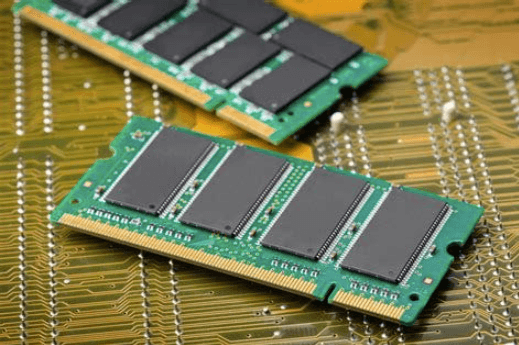
Modern computing is all about speed, efficiency, and smooth performance. Whether you are using a laptop for work, a desktop for gaming, or a device for everyday browsing, memory plays a major role in how well everything runs. Many users often overlook this factor, but it directly affects how fast applications open, how smoothly tasks run, and how efficiently systems handle multiple operations at once. With trusted solutions like Ram Exchange, users can better understand how to optimize their systems for improved performance.
What Is RAM and Why It Matters
RAM, or Random Access Memory, is a key component that helps your computer store temporary data while it is in use. Unlike storage drives, RAM works at high speed and allows your system to access data quickly.
When you open applications, browse the internet, or switch between tasks, RAM ensures that everything runs without delay. Without enough memory, even powerful systems can feel slow and unresponsive.
Key Functions of RAM
- Stores active data for quick access
- Supports multitasking without lag
- Improves system responsiveness
- Helps applications run smoothly
The more RAM your system has, the more tasks it can handle at the same time without slowing down.
How RAM Impacts Everyday Performance
The importance of RAM becomes clear when you use your computer for daily activities. From simple tasks to demanding applications, memory plays a crucial role in performance.
Faster Application Loading
Applications open quickly when sufficient RAM is available. This reduces waiting time and improves productivity.
Smooth Multitasking
Switching between multiple tabs or programs becomes seamless. Systems with low RAM often struggle with delays and freezing.
Better Browsing Experience
Modern websites use more resources than ever. Adequate RAM ensures smoother browsing without crashes or slow loading.
Enhanced Gaming and Media Use
Games and media editing software require high memory capacity. Proper RAM ensures better visuals and smoother performance.
Types of RAM Used in Modern Systems
Understanding different types of RAM helps users make better decisions when upgrading or choosing a system.
DDR4 RAM
- Common in most modern devices
- Offers good speed and efficiency
- Suitable for everyday computing
DDR5 RAM
- Newer and faster than DDR4
- Provides improved performance for heavy tasks
- Ideal for advanced users and gamers
Laptop vs Desktop RAM
- Laptop RAM is compact and energy efficient
- Desktop RAM offers more flexibility for upgrades
Each type serves different needs, depending on how you use your system.
Signs Your System Needs More RAM
Many users experience performance issues without realizing that RAM might be the problem. Recognizing these signs can help you take action early.
- Slow system performance during multitasking
- Frequent application crashes
- Delayed response when opening programs
- System freezing or lagging
If you notice these issues, upgrading RAM can significantly improve your experience.
How Much RAM Do You Really Need
The amount of RAM required depends on your usage. Different users have different needs based on their tasks.
Basic Usage
- Web browsing
- Email and documents
- Light applications
Moderate Usage
- Multiple applications at once
- Streaming and light editing
- Office work
Heavy Usage
- Gaming
- Video editing
- Advanced software
Choosing the right amount ensures your system performs efficiently without unnecessary slowdowns.
See also: Why Chandler Homeowners Should Stop Using Chemical Drain Cleaners (And What Works Instead)
Tips for Optimizing RAM Performance
Even with sufficient RAM, optimizing its usage can enhance your system’s performance further.
- Close unused applications
- Limit background processes
- Keep your system updated
- Use trusted software tools
Midway through your system upgrade journey, platforms like Ram Exchange can help you explore options and view memory products that match your specific needs. This makes it easier to choose compatible and reliable solutions.
The Role of RAM in Modern Technology Trends
As technology evolves, the demand for better performance continues to grow. RAM plays a key role in supporting these advancements.
Cloud Computing
Even with cloud-based applications, local memory ensures smooth interaction and faster data processing.
Artificial Intelligence and Machine Learning
These technologies require high memory capacity to process large datasets efficiently.
Gaming and Virtual Reality
Modern games and VR experiences rely heavily on RAM for smooth and immersive performance.
Remote Work and Online Learning
With multiple applications running simultaneously, RAM ensures uninterrupted productivity.
Benefits of Upgrading Your RAM
Upgrading RAM is one of the simplest ways to improve your system’s performance without replacing the entire device.
Improved Speed
Faster data access leads to quicker operations and reduced lag.
Better Multitasking
Handle multiple tasks without compromising performance.
Enhanced Stability
Systems become more reliable with fewer crashes and interruptions.
Future Readiness
More RAM prepares your system for upcoming software and updates.
Creating a Balanced System
While RAM is important, it works best when combined with other components like processors and storage. A balanced system ensures maximum efficiency and performance.
Focus on:
- Compatibility with your device
- Matching RAM speed with system requirements
- Proper installation and configuration
A well-balanced setup delivers consistent and reliable performance for all tasks.
Final Thoughts
RAM is one of the most important elements in modern computing systems. It directly affects how fast, smooth, and efficient your device performs. Whether you are upgrading your current system or choosing a new one, understanding the role of memory helps you make smarter decisions.
By choosing the right solutions and optimizing your setup, you can enjoy a faster and more responsive computing experience. If you are ready to enhance your system performance, now is the time to take the next step. Get in touch today and discover how the right memory solutions can transform your computing experience.