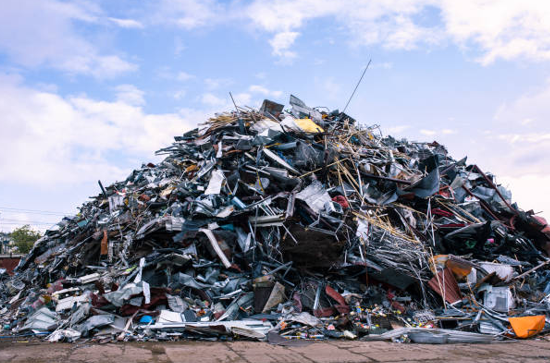
Many commercial operations treat leftover metal as an unavoidable cost of doing business. It gets pushed aside, stockpiled near loading docks, or disposed of without a second thought to its inherent value. That mindset is costing businesses real money. The materials sitting in your yard or facility are not rubbish. They carry recoverable value, and that value quietly compounds over time when nothing is done to capture it.
Construction firms, demolition contractors, and manufacturing plants generate significant volumes of recoverable metal every single week. The challenge is that most sites lack a structured approach to separating and processing those materials properly. Metal recycling offers a direct path to turning operational byproducts into revenue rather than disposal costs. Sites that adopt this approach often discover they were sitting on a consistent income source they had previously overlooked entirely.
The Metals Piling Up Are Worth More Than You Think
Recognising the Daily Volume Your Site Generates: Manufacturing and construction environments produce a range of recoverable metals on any given shift. Steel off-cuts, copper wiring, aluminium sheeting, and ferrous metals from structural work all carry genuine market value. The volume accumulates quickly, and without a system to capture it, that value disappears into disposal bins or through unmanaged losses that no site manager wants to explain.
What Non-Ferrous Scrap Returns Compared to General Disposal: Non-ferrous materials like copper, brass, and aluminium consistently return higher values per kilogram than their counterparts. Sites that handle electrical installations, mechanical fit-outs, or aluminium formwork generate these materials in real volume. Processing them through a structured collection stream rather than treating them as general rubbish can shift a site’s cost profile in ways that are genuinely worth tracking over time.
Why Accumulation Without Action Costs More Than Expected: Metal that is not collected does not just sit there. It occupies space, creates tripping hazards, and adds to disposal costs when volumes become unmanageable. Many businesses absorb these costs without questioning them. That is perhaps the most common oversight in commercial site management. The revenue recovery opportunity stays dormant simply because no one has put a proper collection system in place.
Which Sites Are Sitting on the Most Untapped Scrap Value
Construction and Demolition Sites as Constant Scrap Sources: Building and demolition operations are among the most consistent generators of recoverable metal in commercial environments. Steel reinforcing bar, structural beams, piping, and cladding all become available at predictable project stages. Sites that plan collection around project milestones tend to recover more and spend far less time managing material buildup. The process becomes more efficient with every project cycle.
Manufacturing Facilities and the Overlooked Daily Waste Stream: Production lines generate off-cuts, rejected components, and end-of-run scrap that most operators treat as unavoidable overhead. In reality, these streams represent a predictable and recoverable volume. Facilities that track what leaves the production floor as scrap are better positioned to negotiate collection terms and report on material recovery as part of broader site operational reporting.
See also: boost your online business
Segregation Separates the Recoverers From the Rest
Why Mixed Loads Quietly Drain Your Returns: When metals are thrown together without separation, their combined value drops. A mixed load is processed at a lower rate than clean, separated streams. That price gap may seem minor per tonne, but across months of operations it adds up to a notable difference between what your site actually recovers and what it genuinely could recover with basic sorting in place.
Simple Practices That Strengthen Your Scrap Workflow: Separating scrap at the source does not need to be complicated. Small, consistent changes at site level create measurable differences in what gets recovered and what gets quietly lost:
- Separate ferrous from non-ferrous materials at the point of generation to maximise the value returned from each individual material stream.
- Designate a covered storage area for copper, brass, and aluminium to protect high-value metals from weather exposure and contamination.
- Schedule regular collections rather than allowing materials to accumulate, which creates safety risks and reduces available operational space.
- Train site personnel to identify common scrap categories and direct materials to the correct collection point from the outset.
Consistency as a Long-Term Revenue Strategy: Sites that maintain disciplined segregation tend to recover more value over time. This process also supports a broader circular economy by returning materials to productive use rather than sending them to landfill. Building a reliable system that captures value every week creates compound gains across a project or financial year. Businesses that commit to this rarely go back to treating scrap as waste.
Reliable Collection Is Where Revenue Recovery Becomes Real
Scheduled Pickups That Work Around Your Site’s Pace: Commercial scrap collection works best when structured around your site’s schedule, not the other way around. Large facilities generating consistent volumes need a collection partner that arrives when required, manages the logistics without disruption, and processes loads with minimal delay. Missed or delayed pickups create backlogs that affect workspace, increase hazard exposure, and reduce the returns you are working toward.
Accurate Weighing and What Transparency Means for Your Returns: The amount you recover from each collection depends heavily on how loads are weighed and processed at the point of collection. Transparent, consistent weighing ensures your site receives fair value on every load. Businesses that request clear documentation for each collection are better placed to track patterns, raise queries about discrepancies, and build an accurate picture of what their scrap stream is genuinely worth.
How to Tell Whether Your Current Process Is Losing Value: Many sites have informal scrap arrangements that have never been reviewed or benchmarked properly. Collections happen when someone gets around to it, and returns are accepted without question. That arrangement suits processors more than it suits your operation. Reviewing your collection frequency, segregation standards, and return rates at least once a year gives your site the leverage to negotiate better outcomes.
What Gets Captured Today Becomes Tomorrow’s Competitive Advantage
If your commercial operation is generating scrap metal regularly, there is a structured, financially sound way to handle it. Connect with a reputable metal recycling and collection service that prioritises accurate weighing, reliable pickups, and transparent processing. Taking action now means your site stops absorbing unnecessary costs and starts recovering the value that has been sitting in your yard or warehouse all along.