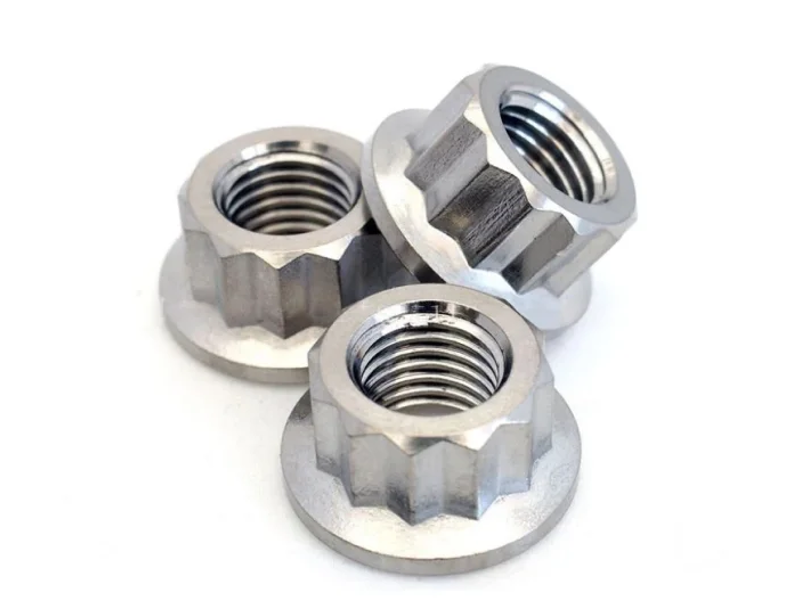
Modern manufacturing looks smooth from the outside, but behind every tidy assembly line sit invisible choices. Fasteners might seem minor, but they shape how quickly parts come together, how often they break down and how easily systems can be maintained. Getting them right early influences tooling, logistics and end product reliability.
That is why many manufacturers treat their fasteners company in India as a design partner, not just a supplier. When engineers and procurement meet early, they can standardise types, reduce part numbers and avoid last minute changes that ripple through the factory floor. A supplier that understands both technical specs and supply chain pressure quietly stabilises the whole operation.
Fasteners That Shape Assembly Speed
Fasteners Deciding Rhythm On The Line: The moment an engineer picks a bolt over a clip or chooses a certain thread size, they fix how long each assembly step will take. A poorly chosen fastener can slow workers, need special tools or create confusion. In contrast, standardised, easy to install parts keep assembly smooth and cut the risk of errors late in the day.
Avoiding Rework Through Early Calls: When fasteners are an afterthought, drawings often need repeated updates, sometimes after tooling is already built. This wastes time, scrubs parts and shifts schedules. Bringing fastener experts into the design phase helps lock in the right type, size and torque early, so the first prototype feels like a realistic model of final production.
Designing For Maintenance And Repairs: Designers do not always think about what happens if a product fails in the field. Should technicians struggle with odd fasteners or hard‑to‑reach sizes. A clear view of servicing and repairability, backed by sensible fastener choices, makes future support faster and cheaper. Simple, widely available hardware keeps users happy and the brand’s image intact.
Connecting Design, Procurement And Floor
Breaking Down Silos Around Parts: In some factories, design teams specify exactly what they want without much regard for cost or availability, while procurement pushes back with cheaper or different parts. When this happens, fasteners become a battleground instead of a coordinated choice. A joint session where both sides own the fastener list leads to smarter, more realistic decisions.
Balancing Strength With Price And Risk: A design engineer may prefer a high‑tensile fastener in a critical area, while procurement worries about lead time and volume pricing. Together, they can map where extra strength matters and where standard parts suffice. A good partner understands material grade and strength requirements across sectors, helping bridge the gap between engineering ambition and supply reality.
Creating A Single Fastener Catalogue: When multiple teams work in parallel, the same machine can end up with twenty different M6 screws, each from a different batch. Centralising fastener choices into one catalogue reduces confusion, simplifies ordering and cuts obsolete stock. A mature workflow treats the fastener list as a live document, updated as line data and experience come in.
Supply Chain Smarts For Small Parts
Managing Lead Times And Delays: Fasteners usually have short lead times, but when they are specialised or sourced from far away, delays can ripple through the line. A missing nut or bolt can stop a whole batch. Monitoring supplier lead times, keeping realistic buffer stock and planning for alternative sources protects the line when the unexpected hits.
Buffer Stock Versus Overstocking: Too much stock ties up capital and warehouse space, while too little leaves the floor vulnerable. Many factories now use data‑driven models that track usage, seasonality and supplier performance. This balance keeps critical fasteners available without clogging the system with unnecessary parts.
Backup Sources And Risk Control: Relying on a single supplier for a key fastener is risky, especially in a volatile market. Building a small short list of trusted manufacturers spreads that risk. If one source fails, another can step in, sometimes even across regions, so production can keep moving without drastic redesigns.
Lean Methods With A Safety Net
When Just In Time Works And When It Does Not: Just in time feels elegant in theory, but applied too rigidly to fasteners, it can create fragility. Delayed shipments or changed schedules can expose thin buffers. A hybrid approach, where common fasteners are held in stock while specialty items are ordered closer to need, often fits Indian factories better.
Different Sectors, Different Styles: In high mix, low volume units, flexibility and stock variety matter more than perfect lean ratios. Mass production plants often benefit from long runs of standardised fasteners ordered in predictable batches. Tailoring the inventory strategy to the sector and model mix keeps the factory running and the accountant quiet.
Aligning Fasteners With Overall Flow: When fasteners follow the same scheduling logic as larger parts, they integrate smoothly into the workflow. Linking them with material planning tools means they are where they are needed, not lost in a distant bin. That alignment reduces search time, line‑side mistakes and the urge to improvise with the wrong bolt.
Digital Tracking For Better Control
Linking Fasteners To ERP Records: In connected factories, each fastener batch can carry a part number, lot code and supplier tag. When this data flows into the ERP system, it appears in purchase orders, production logs and quality reports. This visibility makes audits, recalls and investigations far less painful.
Real Time Visibility For Better Decisions: When a product is reworked, engineers can see exactly which fastener batch passed through a specific line on a given date. That traceability pays off when a failure pattern appears. Instead of guessing, the team can pull precise data and act quickly, often preventing a wider issue.
Supporting Compliance And Reporting: Many industries must prove that parts in certain products meet specific standards. A well‑integrated digital system ties fastener data to certificates, test results and quality records. When a regulator or customer asks for proof, the information is not scattered in folders but available in the ERP file.
See also: How a Christian Private School Supports Character Development alongside Academia
How To Make Fasteners Work For Your Operation
Turning Little Parts Into Big Gains: Fasteners are not glamorous, but they shape how fast, how reliably and how cost effectively products come together. If your team still treats fasteners as an afterthought, now is the time to pull them into the design conversation, tighten links with procurement and hook them into your digital systems. Start by reviewing your fastener list, simplifying types and integrating them into your planning tools, and you may find your whole line running just a little more smoothly.