You might swear by your favourite shampoo, body wash and detergent, but still feel dry, itchy or vaguely unsatisfied. Your skin looks dull, your hair feels flat or rough, and your laundry never quite smells as fresh as it should. Often, the problem is not the product on the shelf, it is the water in your pipes.
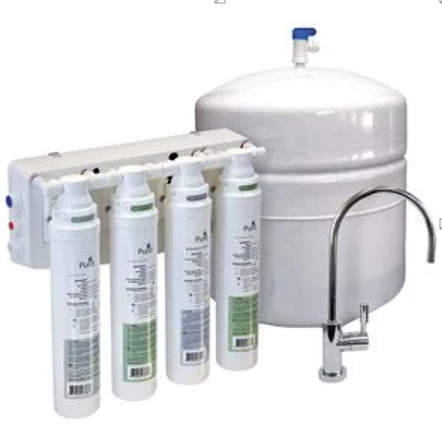
That hard, chalky water quietly sabotages everything it touches, from your morning shower to the way your clothes feel when they come out of the wash. A trusted Canadian water company can help households see how water quality affects daily comfort, not just taste or safety, by assessing hardness, chlorine and other contaminants and recommending suitable water filters or softening systems that improve how it feels on the skin, hair and fabrics.
Hard Water And Your Skin’s Daily Struggle
How Minerals Dry Skin Out: Hard water contains high levels of calcium and magnesium, which cling to the skin and trap residue instead of rinsing cleanly away. This leaves a tight, slightly soapy film that feels like the moisturiser is fighting an invisible barrier. Over time, that film can contribute to dryness, rough patches and flaking, especially in sensitive or already dry skin types.
Irritation That Feels Like Allergy: Some people mistake hard water reactions for allergies or new product sensitivity. Redness, tightness, or flare ups around hands, face and elbows often improve once water is softened. A gentler water profile reduces the need for harsh soaps and means less rubbing and scrubbing, which is itself a cause of irritation.
The Role Of Water Softening In Everyday Care: A good water softening system reduces the excess minerals that cling to skin and interfere with rinsing. When you switch to softer water, many people notice that they can use less cleanser, less scrubbing and fewer moisturising tricks to feel adequately clean. That shift can be a quiet relief for families with eczema, dryness or reactive skin.
When Shampoo And Detergent Play By Different Rules
Why Lather Lies To You: Hard water reacts with soap to form a sticky film called soap scum, which coats your scalp, hair and surfaces. You might feel like you have lather, but underneath, the shampoo is not fully rinsing away. That leftover residue dulls hair, clogs follicles and makes it harder for conditioners to penetrate where they are needed.
Laundry That Feels But Not Looks Clean: Hard water can give fabrics a stiff, rough feel while also causing whites to yellow and colours to fade faster. Detergents need more product to work because minerals block their cleaning action. A load may smell okay, but the fabric feels crunchy and the whites look tired, even if the detergent is expensive and heavily marketed.
The Frustrating Cycle Of More Product, Less Result: As people notice that their soap, shampoo or detergent is not performing as expected, many simply use more. This leads to more suds, more residue and more irritation. Softened water often means you can step back from heavy product use and still get better, cleaner, softer results across skin, hair and fabrics.
Soap Scum Versus True Clean
Soap Scum And What It Actually Is: Soap scum is not just a film in the sink, it also builds up on skin, hair and fabrics. It is a mixture of soap plus the minerals in hard water, clinging to surfaces instead of washing away. That insoluble film resists normal rinsing, especially in showers and basins with limited water flow.
How Soft Water Feels Different: Soft water removes the mineral hitch that soap has to drag along, so lather is easier to achieve and easier to rinse. People often describe it as feeling slippery at first, but that is the water actually doing its job instead of fighting residue. Cleaner surfaces, shinier hair and softer fabrics follow naturally when the water is not constantly fighting the soap.
The Visible Difference Soft Water Makes
Skin That Feels And Looks Better: After a switch to soft water, many people notice that their skin feels smoother and less tight after a shower. It may also appear clearer, with fewer dry patches and reduced redness. The need for heavy lotions or frequent reapplication can ease simply because the water is not constantly stripping and then coating the skin.
Hair That Cooperates Again: Hard water residues can make hair feel weighed down, dull or strangely stiff when dry. Softened water helps rinsing, leaving hair feeling lighter, shinier and more manageable. Styling products often seem more effective because they are coating clean hair fibres instead of trying to cut through mineral build up.
Laundry That Feels Like It Should: Soft water lets detergent do what it is supposed to, so whites stay whiter, colours stay brighter and the fabric feels softer straight out of the machine. Clothes can last longer because they are not coated in invisible minerals that dull fibres and encourage wear. A switch in water quality can quietly improve how your whole wardrobe feels.
Health Vs Comfort Improvements
Skin And Hair Health Gains: Softer water can reduce dryness, flaking and some irritation linked to repeated washing and scrubbing. For people with psoriasis, eczema or sensitivity, that change can mean fewer flare ups and less discomfort after daily routines. While it is not a cure, it can be a meaningful support for managing skin conditions.
Comfort That Changes Daily Life: Many households report that they rinse products faster, shower for slightly less time and feel cleaner with less effort once water is softened. That small shift adds up over months, especially in families with children or active adults who wash frequently. A more comfortable routine can feel like a quiet upgrade to everyday life.
How To Start Feeling The Difference
Checking If Hard Water Is The Issue: A simple way to test is to observe how much soap scum builds up in the shower, whether your hair feels consistently rough, or if your laundry feels stiff despite using enough detergent. A professional water test can give you a clear picture of mineral levels and whether softening or filtration systems could help.
Practical Steps To Improve Water Quality:
- Arrange a home water analysis to measure hardness, chlorine and other key parameters that affect comfort.
- Consider a water softening system tailored to your household size and usage patterns.
- Pair softening with targeted filtration if tastes, odours or other contaminants are a concern.
- Keep an eye on skin, hair and laundry for a few weeks after the change to see how the new water feels.
See also: Find the Perfect Spray Tan Near Conroe TX for a Flawless Glow
Turning Clear Water Into Clear Comfort
Building A Softer, Smoother Routine: Hard water affects more than pipes and glass, it quietly shapes how your skin, hair and clothes feel each day. If you are blaming products for issues that persist despite trying new soaps and detergents, your water is a strong suspect. By taking the time to test your supply and explore softening or filtration, you can turn a nagging daily frustration into a genuinely more comfortable, cleaner home life. If your skin, hair or laundry has been feeling off, reach out to a qualified water specialist, review your home’s water profile and see how much difference the right system can make to your everyday comfort.