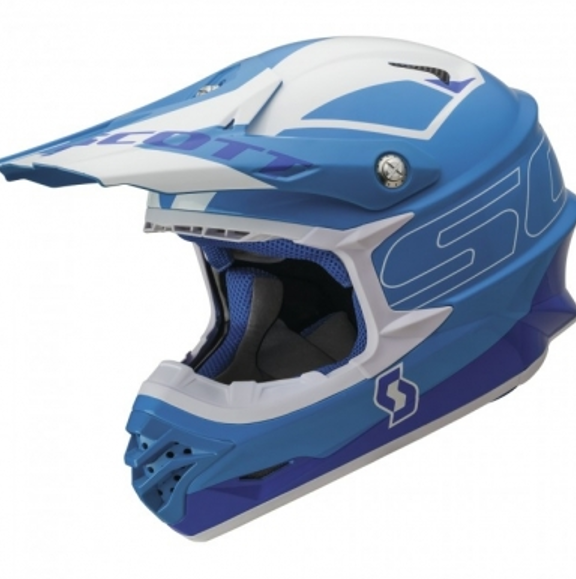
Winter riding looks epic from the outside, but any rider knows the cold can wreck focus fast. When the wind bites through your gear and your cheeks start to numb, reaction times drop and small mistakes feel bigger. A smart winter helmet setup keeps your head warm, your vision clear and your thoughts on the trail instead of the temperature.
That is why riders are far more selective about snowmobile helmets, especially for deep winter sessions. The wrong lid lets in drafts and fogs at the worst moment and turns a good day into a tiring fight against the elements. Snowmobile helmets Canada are not just about style, it is about comfort, safety, and actually wanting to stay out longer.
When The Cold Messes With Your Focus
Temperature And Rider Concentration: Extreme cold pulls attention away from the path and towards basic comfort, which is exactly when hazards sneak up. Numb ears, an aching forehead and a frozen nose quietly drain mental energy. A winter focused helmet counters that with insulation, coverage and shape designed to keep more warmth around the head for longer rides.
Wind Chill And Fatigue: Wind chill makes moderate temperatures feel brutal at speed, especially across open lakes or ridgelines. Constant buffeting noise and pressure can make riders feel drained far sooner than expected. Helmets with tighter seals, well shaped shells and plush neck rolls help cut that wind attack, so energy goes into handling the machine instead of simply enduring.
Snow Spray And Distraction: Powder spray looks fun on camera, but on the trail it can sting skin and invade any gap in your gear. When snow creeps into the helmet opening, discomfort quickly turns into distraction. A properly fitted winter helmet with the right accessories keeps that spray outside, making aggressive riding less of a sensory overload.
Warm On The Inside Dry Where It Counts
Insulated Liners That Trap Heat: Good winter helmets start with quality inner liners that trap warm air without feeling bulky. Thicker cheek pads, padded chin curtains and shaped neck rolls help keep heat where it matters most. When the liner materials wick moisture as well, they avoid that clammy, chilled sensation that hits after a burst of effort.
Moisture Management For Real Riding: Sweat is guaranteed on technical trails, even in freezing air. If the liner fabric holds moisture instead of moving it away, your face cools down fast once you ease off the throttle. Helmets designed with moisture wicking fabric manage that shift better, keeping your skin drier so the chill does not slam you the moment you pause.
Fit That Supports Warmth: A helmet that fits correctly leaves less space for cold air pockets and random drafts. When the shell, padding and closure system work together, warmth is retained without relying on endless layers underneath. Riders who size carefully and choose winter specific interiors usually find they need fewer desperate add ons to feel comfortable.
Seeing Clearly When The Temperature Drops
Anti Fog Shields For Real Winter: Fogging visors are one of the fastest ways to ruin a ride and spike risk. Modern anti fog coatings and dual lens designs help maintain clarity when the outside air is freezing and the inside is humid. Riders who upgrade from basic shields quickly notice fewer stops just to wipe and vent their view.
Breath Deflectors That Redirect Moisture: Breath naturally rises and condenses on cold surfaces, which is why standard helmets fog so quickly in winter. Breath boxes and deflectors guide exhaled air away from the visor, cutting down fog and ice buildup. A well fitted deflector, matched to the helmet shape, makes breathing feel more natural instead of restricted or steamy.
Heated Visor Options For Extreme Conditions: For riders who tackle long, icy runs or night sessions, heated visors can be a serious upgrade. By gently warming the shield surface, they prevent frost and fog from gaining a foothold at all. When paired with a solid power connection and good helmet sealing, they turn brutal conditions into something far more manageable.
Breathing Easy Without Freezing
Balanced Venting For Winter Use: Ventilation is not just a summer feature. In cold conditions, riders still need fresh air movement to control moisture and heat build up. Winter ready helmets use smaller, strategically placed vents that can often be adjusted, giving enough flow to prevent fog without flooding your face with icy air.
Targeted Airflow Around The Face: Smart vent layouts push air where it matters most, such as across the visor interior and around the mouth area. This clears humidity before it settles while keeping the crown of the head relatively protected. Riders feel more awake and less suffocated, even when wearing balaclavas or extra neck layers with their winter lid.
Customising Vent Use During The Ride: As pace and terrain change, so does heat output. Being able to open or close vents with gloved hands lets riders fine tune comfort instead of putting up with one fixed setting. A helmet that supports controlled airflow helps prevent the frustrating cycle of overheating, then suddenly chilling when you slow down.
Liners And Ear Pads That Move With Your Season
Removable Liners For Easy Care: Winter gear gets sweaty, snowy and sometimes muddy, and helmets are no exception. Removable liners let you wash away odour, bacteria and salt, extending both comfort and helmet life. Regular cleaning keeps padding soft and effective, instead of letting it harden into something that feels scratchy and tired against your skin.
Ear Pads That Match Conditions: Removable ear pads give riders options across the season. On deep winter days, fully padded ears make long runs more pleasant and protect against sharp wind. When spring approaches, removing or swapping pads helps keep things cooler and allows better awareness of engine sound and trail noise where that is a priority.
Adapting One Helmet Across Different Rides: Rather than owning a separate helmet for every temperature shift, riders can use removable components to adapt. Changing liners, ear pads and neck skirts lets a trusted shell handle various conditions. This flexibility saves money and storage space, while still giving a tailored feel whenever the snow calls.
See also: From Design To Delivery: How Fasteners Fit Into Modern Manufacturing Workflows
Extras That Turn A Good Helmet Into A Great One
Accessories That Lift Winter Performance: Smart add ons can turn a standard winter helmet into a custom setup built for your style of riding. Many riders pair their lids with compatible goggles, breath boxes, heated visors and neck warmers. When chosen to work together, these accessories reduce fuss and make every start of the day smoother.
Small Upgrades With Big Comfort Gains:
- Install a quality breath box to keep exhaled air off the visor and reduce fog dramatically.
- Match your helmet with properly ventilated snow goggles for flexible coverage and clear vision.
- Use a windproof balaclava that integrates neatly with the helmet’s neck roll.
- Check compatibility for communicators so you are not forcing awkward fits mid season.
Tech And Communication Ready Designs: Many modern helmets now allow for easy integration of communication systems. Channels for speakers, secure mic positioning and space around the ears mean riders can stay in touch with their group more safely. In remote winter areas, being able to coordinate quickly can be as protective as any layer of padding.
Conclusion
Riding Winter Trails With Confidence: Cold, wind and snow do not have to cut every ride short when your helmet is working as hard as you are. By choosing a lid with winter ready insulation, clear vision tech, adjustable venting and flexible liners, you turn harsh conditions into something far more enjoyable. If your current setup leaves you shivering or fogged out, now is the moment to upgrade your helmet features and give your next winter ride the comfort and control it deserves.