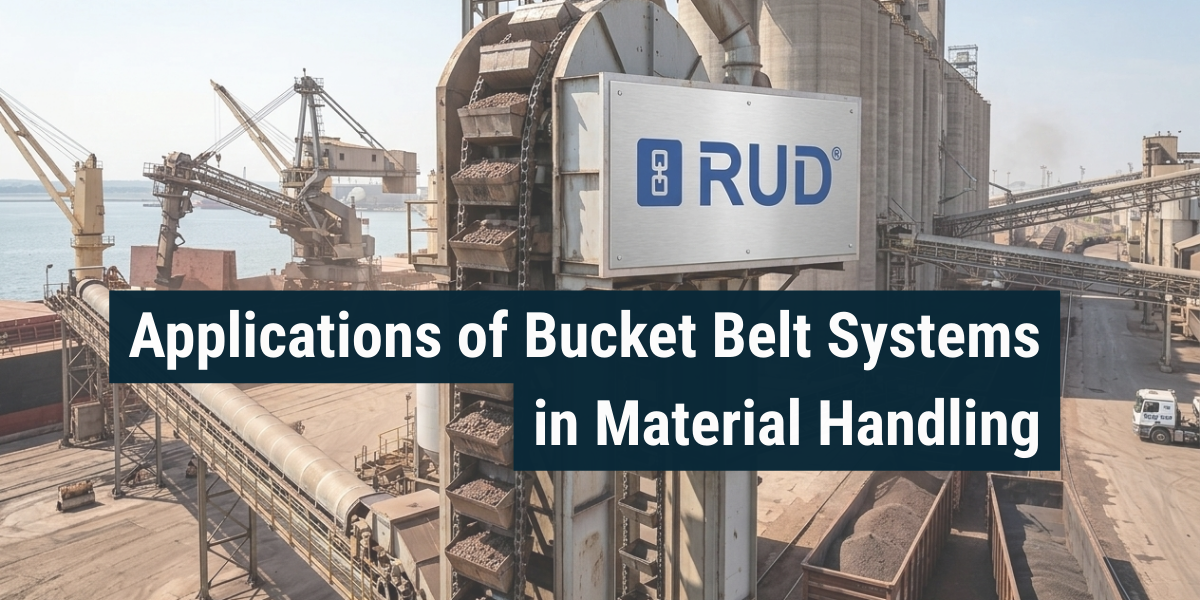
Bucket belt systems move bulk materials vertically in industrial facilities across Australia. These conveyor systems handle grain, aggregates, and minerals in mining, agricultural, and manufacturing operations.
Unfortunately, choosing the wrong elevator setup costs you more than just the initial purchase price. It can cause lost production time, higher maintenance bills, and material spillage. The good news is, companies like www.rud.com.au supply components that keep material handling running when downtime costs thousands per hour.
In this article, you’ll learn how bucket elevators work. You’ll also see where they perform best in different applications, builds that make heavy-duty systems last longer, and how to pick the right specifications for your operation.
Let’s begin with understanding the basics of bucket belt systems.
What Are Bucket Belt Systems?
A bucket belt system is a vertical conveyor that uses a continuous belt or chain fitted with buckets to move bulk materials upward in industrial operations. The system includes:
- A drive mechanism
- Buckets
- A belt or chain
- Casing
- Loading boot
- And discharge head
Materials enter at the bottom boot section, get scooped upward in the buckets, then discharge at the top through gravity or centrifugal force. The belt or chain runs in a continuous loop between the bottom and top pulleys. This continuous rotation keeps your materials moving upward without interruption.
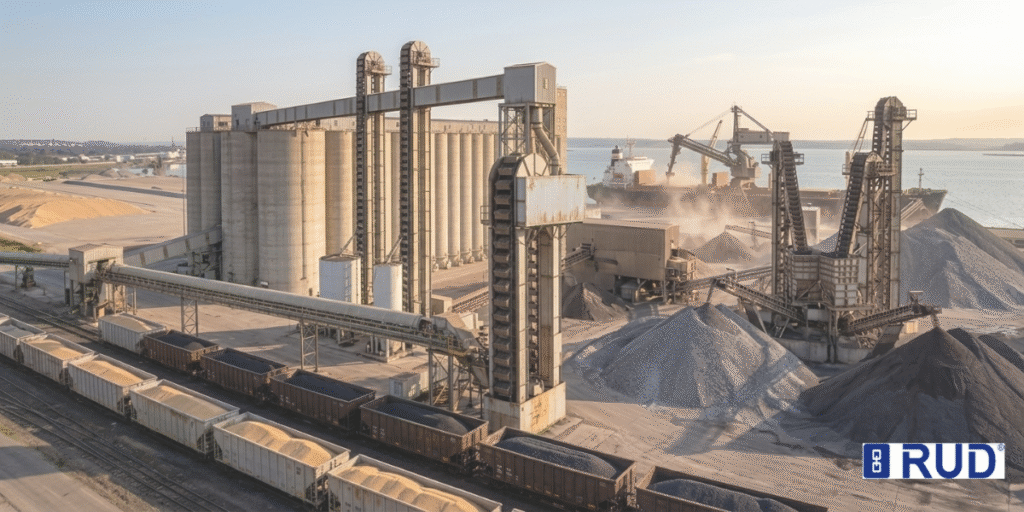
The discharge method depends on what you’re moving, though. For instance, gravity discharge suits fine powders and grain. Meanwhile, centrifugal discharge handles larger aggregates and free-flowing materials.
Where Do Bucket Elevators Work Best?
Bucket elevators move massive volumes vertically without eating up the floor space that ramps or inclined conveyors need. They are particularly suited for handling bulk materials that need steady, continuous lifting between processing stages.
Here’s where they have the best use.
Agricultural Grain Handling and Storage
Grain terminals and silos use bucket elevators to move wheat, barley, canola, and cereals from receival pits to storage bins. The gentle handling keeps grain damage low during transport.
In general, systems handle capacities up to 1500 tonnes per hour with minimal grain breakage (this becomes expensive during harvest season). And you can’t afford cracked kernels when you’re moving premium milling wheat or malting barley.
On top of that, self-cleaning boot sections prevent contamination when you switch between wheat and barley in the same facility. Usually, flour mills rely on this feature to maintain product quality between different grain types. It sounds minor, but one contaminated batch can cost you an entire day’s production and damage customer relationships.
Mining and Aggregate Processing
Mining operations transport ore, coal, and crushed stone from processing areas to stockpiles or loading points. In this case, heavy-duty bucket elevators withstand abrasive materials like iron ore, bauxite, and limestone in continuous operation. The constant friction from these materials wears through standard components fast.
The discharge heights usually reach 60 metres, which suits loading elevated stockpiles or ship-loading conveyors at ports. Furthermore, ports around Australia use these systems to move materials from ground-level hoppers up to vessel loading booms.
The conveying process handles both fist-sized rocks and fine dust without clogging. However, you need systems built for this kind of punishment when you’re running 24-hour operations with minimal maintenance windows.
See also: business digital tools upgrade
Heavy Duty Bucket Elevators: Built for Tough Conditions
Most operators don’t realise this, but equipment that takes a beating from abrasive ore 24 hours a day needs specific construction features. For this reason, heavy-duty bucket elevators use materials and design choices that standard models don’t have.
Take a look at what separates industrial-grade systems from basic models:
- Reinforced Steel Casings: Heavy-gauge mild steel with internal stiffeners stops the housing from warping under load during operation. The carbon steel handles higher stress environments. Plus, the stiffeners distribute weight evenly across the casing walls instead of letting flex points develop.
- Abrasion-Resistant Buckets: You can choose hardened mild steel buckets for rock and ore, or nylon PA6 plastic buckets for less abrasive materials. To give you an idea, plastic buckets last longer with grain and cereals because they don’t corrode.
- Flexible Drive Configurations: With the motor attached to a direct-coupled gearbox, the system takes up even less space. Meanwhile, chain and sprocket systems make belt tension adjustments easier. From our experience, V-belt drives give you the simplest maintenance schedule with fewer specialised tools needed.
- Corrosion-Proof Options: The durability and strength justify the higher upfront cost in harsh environments. In practice, stainless steel 304 suits most food processing operations, and grade 316 handles coastal locations where salt air causes rust.
These features add to the initial purchase price. But downtime costs more than the price difference between standard and heavy-duty systems.
Choosing the Right Conveyor System for Your Operation
Our experience working with Brisbane grain terminals and Ipswich manufacturing sites says that picking the right bucket elevator specs comes down to what you’re moving and how much volume you need. The requirements change based on your material and operation type.
These are the details that you need to sort out early to avoid expensive modifications later.
Capacity and Throughput Requirements
Calculate the required tonnes per hour based on production rates and batch processing schedules at your facility. And your peak demand periods set the minimum capacity, not your average throughput.
Along with that, bucket size, belt speed, and spacing between buckets determine overall system capacity for your material type. Say, larger buckets move more volume per rotation, but faster belt speeds increase hourly throughput. The elevator design balances these factors against wear rates.
Worth Noting: Size your system 15-20% above normal demand so you have room for busy periods without bogging down. That buffer range prevents bottlenecks during harvest rushes or production surges.
Material Types and Operating Temperatures
Free-flowing materials like grain need different bucket designs than sticky materials like wet sand or sawdust. Plus, bucket rotation and discharge angles change based on how your material behaves. For instance, sticky materials need steeper discharge angles.
Another factor is that standard rubber components fail above 80°C. That’s why materials up to 180°C from drying or processing operations need heat-resistant belting and sealed bearings (bearing failure at 2 AM on a Sunday isn’t fun). These components also meet workplace safety standards that protect against thermal damage.
Real-World Performance: Bucket Belt Applications
Bucket belt systems are designed to handle continuous material movement in demanding industrial environments. Each sector has unique requirements that affect system design and component selection.
The applications below show how different industries rely on bucket elevators for their material handling:
- Port of Brisbane Grain Terminals: These facilities move 800+ tonnes per hour using heavy-duty elevators with minimal downtime. Operations run around the clock during harvest season, moving wheat, barley, and canola from truck receival to ship-loading conveyors.
- Queensland Coal Mining: Continuous duty elevators in the Bowen Basin transport abrasive material. Case studies from these sites show how carbon steel buckets and reinforced casings last where standard equipment fails within months. Not to mention, they’ve improved mining productivity by 20% in Western Australian sites.
- Concrete Batching Operations: Aggregates move from ground-level bins to overhead weigh hoppers through bucket elevators. This eliminates manual handling and speeds up batch cycles at manufacturing facilities across Australia.
- Food Processing Plants: Stainless steel elevators transport ingredients between production levels while meeting strict hygiene standards. In this case, temperature control and easy cleaning access are more important than raw capacity in these applications.
These real-world examples prove bucket elevators work well across different material types and operating conditions. The secret is matching system specifications to your specific application requirements.
Get Your Material Handling Sorted
Vertical material transport doesn’t have to be complicated when you match the right bucket elevator to your operation. Picking components that suit your material characteristics and throughput needs saves you money down the track.
One breakdown during peak season costs more than the price difference between standard and industrial-grade equipment. Ultimately, heavy-duty construction, temperature-rated parts, and corrosion-resistant options keep your operation running when production schedules get tight.
For bucket elevator components that handle demanding industrial applications, www.rud.com.au offers solutions across mining, agricultural, and manufacturing operations throughout Australia. Visit us to find a system configuration that meets your capacity requirements and suits your site conditions.